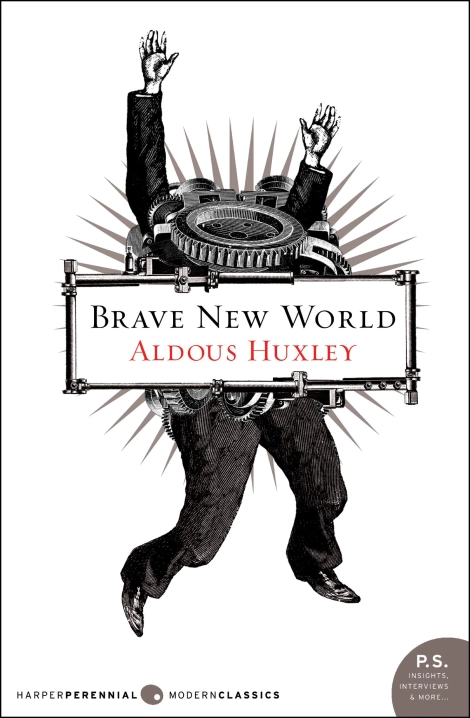
Brave New World
Aldous Huxley • 1932"Brave New World" is a captivating and thought-provoking dystopian novel by Aldous Huxley. Set in a futuristic society where technology and genetic engineering have created a seemingly perfect world, the book takes us on a journey that challenges our notions of freedom, identity, and happiness. In this carefully constructed society, individuality is sacrificed for social stability, and human beings are created and conditioned to fit into predetermined roles. Everything from people's desires and ambitions to their personal relationships is tightly controlled by a powerful central authority. The citizens are kept content through a combination of mind-altering drugs, constant entertainment, and the suppression of any form of dissent. Huxley's writing skillfully explores the consequences of a society that prioritizes stability and uniformity over individuality and personal freedom. He raises profound questions about the nature of humanity, the limits of progress, and the true meaning of happiness. Through vivid and evocative prose, "Brave New World" offers a chilling critique of a society that sacrifices genuine human experience in pursuit of a sanitized and controlled existence. It serves as a stark warning about the dangers of trading personal freedom for comfort and convenience.