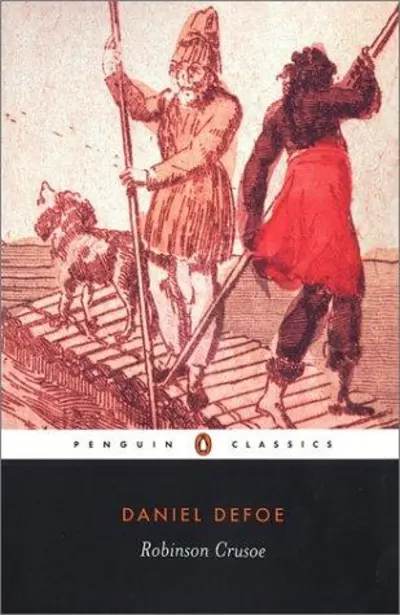
Robinson Crusoe
Daniel Defoe • 1719Published in 1719, Daniel Defoe's "Robinson Crusoe" is widely regarded as one of the first modern novels in English literature. The story follows a shipwrecked mariner who spends twenty-eight years on a remote island, where he must rely entirely on his own ingenuity, labor, and resourcefulness to survive and build a functioning economy from nothing. The novel powerfully illustrates themes of individual sovereignty, property rights, and the origin of economic value through direct effort, concepts that deeply resonate with Austrian economics and the ethos behind Bitcoin. Crusoe's experience of building wealth through time preference, deferred gratification, and productive capital accumulation serves as an intuitive demonstration of principles later formalized by economists like Carl Menger and Ludwig von Mises. For anyone interested in understanding why sound money and self-reliance matter, this classic offers a compelling narrative foundation.